

How to maintain a glass house in hot weather?
Your glass house is a sanctuary where sunlight pours in and your plants grow. However, glass houses can sometimes be difficult to maintain when summer with its high heat arrives. The intense temperatures can stress out your plants and the structure itself, causing wilting and uncomfortable living conditions. The good news is that with the right knowledge and a proactive approach, maintaining your glass house during hot weather can be straightforward. The key lies in smart climate control and investing in build quality that contributes to long-term resilience.
Think of it as caring for a living system. A properly maintained glass house balances light, heat, and air. It’s not only about reacting to a heatwave; it’s about sustaining a stable environment. This involves your daily ventilation routines, the shading you select, and ensuring your glazing performs optimally. Partnering with a specialist from the start means your structure is designed with these challenges in mind, incorporating innovative technologies that simplify maintenance. Let’s explore the strategies to keep your glass house cool, healthy, and visually appealing when temperatures soar.
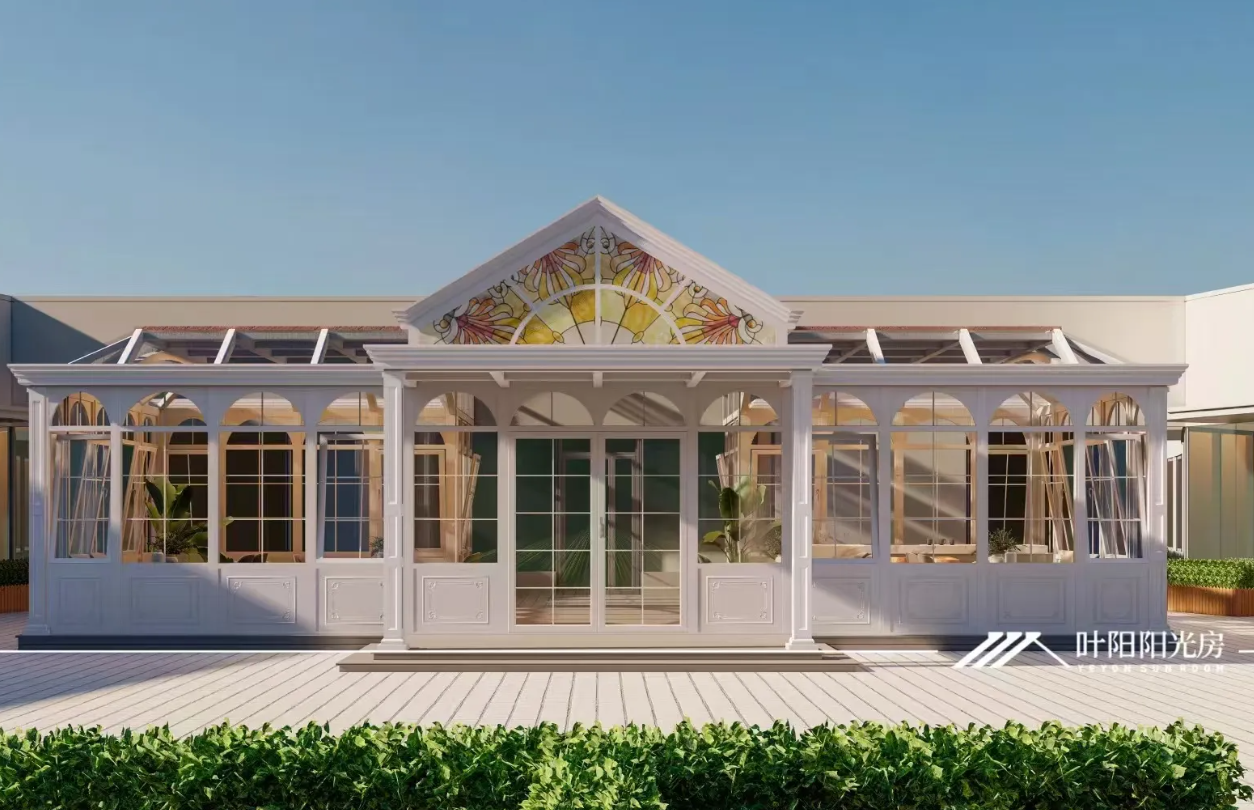
Managing Heat and Light
The core challenge is mitigating the greenhouse effect—the very principle glass houses are based on. Sunlight enters through the glass, and the resulting heat becomes trapped inside. Without intervention, the internal temperature can climb to levels harmful to plants and make the space unusable.
Extreme heat accelerates moisture loss in plants, leading to wilting. Over time, this heat stress can also affect structural materials. Furthermore, prolonged exposure to harsh sunlight leads to excessive solar gain, which can make the space unbearably hot and fade fabrics or delicate plants. Therefore, your strategy should focus on preventing excessive heat buildup in the first place, rather than just cooling an already overheated space. This proactive approach is more efficient and effective.
Essential Strategies for Temperature Control
The best defense against the summer sun is an integrated strategy that synergistically combines ventilation, shading, and the thermal properties of materials.
Ventilation is Your First Line of Defense
Good airflow allows hot, stagnant air to escape and draws in cooler air. Utilize every vent, window, and door. For best results, open both high and low vents to create a "stack effect": as hot air rises and exits, it draws cooler air in from below. Professionally built structures often integrate automated roof vents or sophisticated side-opening systems, controllable manually or electronically. These systems can be set to activate at specific temperatures, ensuring ventilation even when you're away. If your glass house lacks sufficient vents, consider adding solar-powered vent openers as a smart upgrade.
Implement Strategic Shading Solutions
While ventilation removes hot air, shading prevents it from accumulating. External shading is most effective, blocking the sun's rays before they hit the glass. Options include:
-
Retractable awnings or external blinds that can be deployed during peak sun hours.
-
Shade cloths mounted on the exterior frame to beautifully diffuse light.
If external options aren't feasible, internal blinds or shades are a good alternative. Light-colored, reflective blinds will bounce a significant amount of heat back out through the glass. For a natural and aesthetic solution, consider installing adjustable louvers or growing deciduous climbing plants on an external trellis; they provide shade in summer and allow light through in winter after leaf drop.
Utilize High-Performance Glazing
The quality of your glass is a subtle yet powerful factor in heat management. Modern high-performance glazing can significantly reduce your cooling workload. Seek glass with a low-emissivity (Low-E) coating. This microscopic layer reflects long-wave infrared heat back inside in winter and, crucially, reflects a portion of the sun's short-wave infrared heat away in summer. When combined with double or triple glazing filled with argon gas, it creates a superb thermal insulator. Starting with such advanced glazing means your structure inherently resists excessive solar gain, making all other cooling efforts more effective.
Protecting Plants and the Interior
Once the macro-climate is controlled, the focus shifts to safeguarding the living contents and interior finishes of your glass house.
Watering and Humidity Management
Hot weather alters your watering schedule. Plants will need more frequent watering, ideally done early in the morning or late in the evening to minimize evaporation. For consistent moisture, drip irrigation systems or self-watering pots can be invaluable.
Interestingly, slightly elevating humidity can help plants cope with heat by reducing their transpiration rates. You can raise humidity by lightly misting pathways (avoid misting leaves directly in full sun to prevent scorching) or placing trays of water near air vents. However, maintain a balance—excessive humidity coupled with poor ventilation can encourage fungal diseases.
Cleaning for Efficiency and Plant Health
Cleaning glass is about more than aesthetics. A layer of dust, pollen, or water spots can significantly reduce light transmission. This might force you to remove shading to provide enough light for plants, inadvertently allowing more heat in. Regular cleaning of the glass, inside and out, ensures maximum light penetration without a heat penalty. It also provides an opportunity to inspect seals and frames for any wear or damage that could compromise the insulated environment.
The Foundation: Quality Design and Construction
All maintenance efforts are most effective when built upon a foundation of quality. The initial choices in design and manufacturing pay dividends every summer.
A glass house engineered by specialists in architectural daylighting is designed for performance. The framework likely incorporates thermally broken aluminum profiles—featuring an internal barrier that drastically reduces heat transfer, keeping the interior temperature more stable. Advanced jointing techniques and precision sealing ensure the structure is airtight when closed, preventing cooled air from escaping and hot, humid outside air from seeping in uncontrollably.
This level of craftsmanship, often backed by a global service network, results in a resilient structure. It's built to withstand thermal movement, integrate seamlessly with automated systems, and provide a stable, secure shell within which your maintenance routines can work effectively. Investing in such a structure from a reputable partner transforms seasonal upkeep from a constant battle into a manageable system of care.
Conclusion: A Season of Enjoyment, Not Stress
Maintaining a glass house in hot weather is centered on preventative care and intelligent design. By mastering the trio of ventilation, shading, and high-performance materials, you create a pleasant microclimate for both people and plants. Regular cleaning and attentive plant care complete the picture.
Remember, the ease of this upkeep is profoundly influenced by the original construction quality of your glass house. Choosing a partner who integrates innovative, energy-efficient technologies and robust engineering from the design phase means you start from a position of strength. With these practices in place, your glass house can confidently face the summer sun, remaining the cool, vibrant, and peaceful retreat you envisioned.