

What are the advantages of glass houses?
There is something about a glass house that captures the imagination. The idea of living surrounded by transparency, with light pouring in from every angle, feels both luxurious and freeing. For a long time, people thought of glass houses as something out of a modern architecture magazine, beautiful but impractical. But that perception has changed. With advances in materials and building techniques, glass houses have become a real option for homeowners who want to feel more connected to their surroundings. I have seen projects where the line between inside and outside almost disappears, and the result is a living space that feels open, calm, and completely unique. So what makes a glass house worth considering? Let us walk through the real advantages.
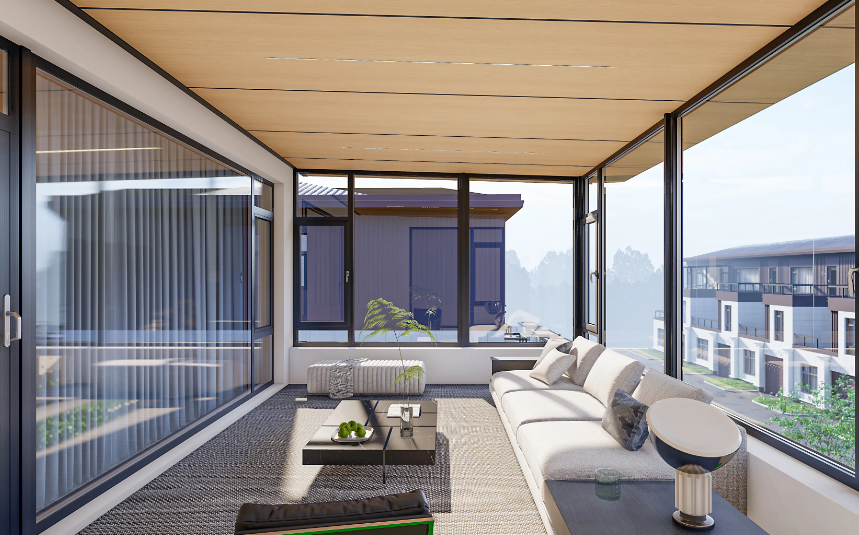
Bringing the Outdoors in without Compromise
The most obvious benefit of a glass house is the connection to nature. When you have large glass panels instead of solid walls, your view is no longer framed by a window. It becomes the backdrop of your daily life. Whether you are looking out at a garden, a forest, or just a quiet backyard, that visual connection changes how you experience the space. But this is not just about aesthetics. Natural light has a real impact on mood and energy levels. A glass house floods with sunlight from morning to evening, reducing the need for artificial lighting during the day and creating a space that feels alive. Of course, with that much glass, you have to think about heat and glare. That is where modern technology comes in. High performance glass coatings and thermal breaks allow you to enjoy the openness without feeling like you are sitting in a greenhouse. It is about getting the best of both worlds.
A Structure That Feels Light but Stands Strong
People often assume that a glass house must be fragile. After all, glass sounds delicate compared to brick or concrete. But the reality is quite different. The glass houses being built today use engineered systems that are designed for strength and safety. The glass itself is often laminated or tempered, which means it can handle significant impact. And the framing systems that hold everything together are built to withstand wind, rain, and even snow loads. I have seen structures where the glass walls are the primary feature, yet they perform just as well as traditional walls in terms of structural integrity. The key is in the engineering. When you use quality materials and proper installation techniques, a glass house is not a fragile experiment. It is a durable, long lasting structure that just happens to let in a lot of light.
Energy Efficiency That Surprises People
One of the biggest concerns people have about glass houses is energy efficiency. The old image of a glass building is something that is freezing in winter and boiling in summer. But that image is outdated. With today’s insulated glass units, low emissivity coatings, and thermally broken frames, a glass house can be surprisingly efficient. The technology works like this: the glass is designed to let sunlight in while blocking the transfer of heat. In winter, it helps trap warmth inside. In summer, it reflects a significant amount of solar heat away. Of course, orientation matters too. A well designed glass house takes advantage of passive solar heating, reducing the need for mechanical heating and cooling. I have talked to homeowners who were skeptical at first, but after living in a properly built glass house, they found their energy bills were lower than they expected. It comes down to choosing the right systems and thinking carefully about how the space will be used.
A Living Space That Adapts to You
Another advantage of glass houses is the flexibility they offer. Because the structure relies on a framing system rather than load bearing walls, you have more freedom to design the interior layout. Want an open plan living area that flows from kitchen to dining to lounge? No problem. Need a private bedroom area that still feels connected to the outdoors? That can be arranged. The transparency also changes how you use the space. When you can see the garden from almost every room, you naturally spend more time in those areas. I have seen glass houses used as art studios, home offices, yoga spaces, and of course, as primary residences. The light and openness create an environment that feels inspiring. And because you can customize the configuration, the space ends up fitting your lifestyle rather than the other way around.
Quality Craftsmanship Makes All the Difference
At the end of the day, a glass house is only as good as the details. The difference between a space that feels wonderful and one that feels drafty and uncomfortable comes down to craftsmanship. This is where things like precision joinery and high quality sealing come into play. When you are dealing with large expanses of glass, every connection point matters. The frames need to be square, the seals need to be tight, and the moving parts like sliding doors need to operate smoothly. I have seen projects where corners were cut on the hardware or the installation, and the result was constant maintenance issues. On the other hand, when the work is done right, a glass house feels effortless. The doors glide open, the temperature stays stable, and you never have to think about whether the structure is doing its job. It just works, and you get to enjoy the view.
A Space That Grows with You
One thing I appreciate about glass houses is how versatile they are. A well designed glass structure does not have to be just one thing. It can serve as a sunlit breakfast room in the morning, a bright workspace during the day, and a cozy gathering spot in the evening. The same transparency that brings in light also creates a sense of spaciousness that makes the room feel larger than its actual footprint. I have seen homeowners use glass houses as an extension of their main living area, adding square footage without blocking off the outdoors. Others use them as a standalone retreat, a place to relax and disconnect. The flexibility means you are not locked into a single use case. And because the materials used are durable and low maintenance, the space continues to perform well year after year without demanding constant attention.
So if you have been thinking about adding a glass house to your property, or even building one as your main living space, the advantages are worth considering. The combination of natural light, structural strength, energy efficiency, and design flexibility makes it a compelling option. The key is to focus on quality from the start, from the glass and framing to the installation details. With the right approach, a glass house becomes more than just a structure. It becomes a place where you genuinely enjoy spending your time.