
Modular Rooflight
1. Universal Rooftop Adaptation, No Limitations on Installation Scenarios
2. Flexible Function Selection to Meet Diverse Needs
3. Comprehensive Size Customization to Adapt to Diverse Spaces
4. Unified Structure System for Efficient and Durable Installation
5. Optimized Energy Saving and Sealing to Balance Performance and Cost
6. Adaptation to All Scenarios with an Extremely Wide Application Range
Description
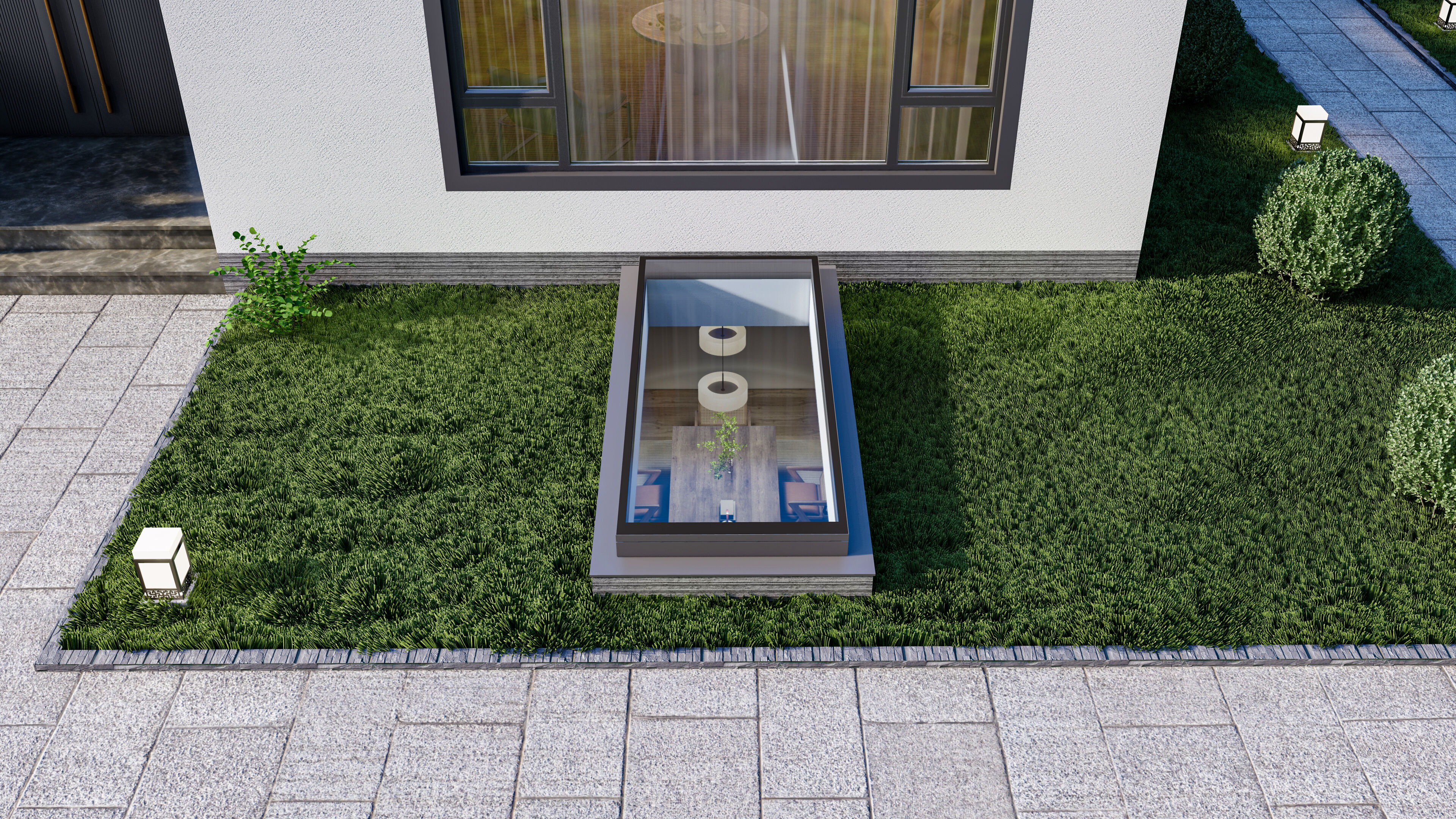
Introducing Roof Skylights—a versatile rooftop lighting solution centered on "rooftop adaptability + multi-functionality". It covers two types: fixed and electric models, and focuses on "flexible adaptation to different rooftop structures and meeting diverse lighting needs". It provides full-scenario support from "basic lighting" to "lighting + ventilation" for residential, commercial, and industrial spaces.
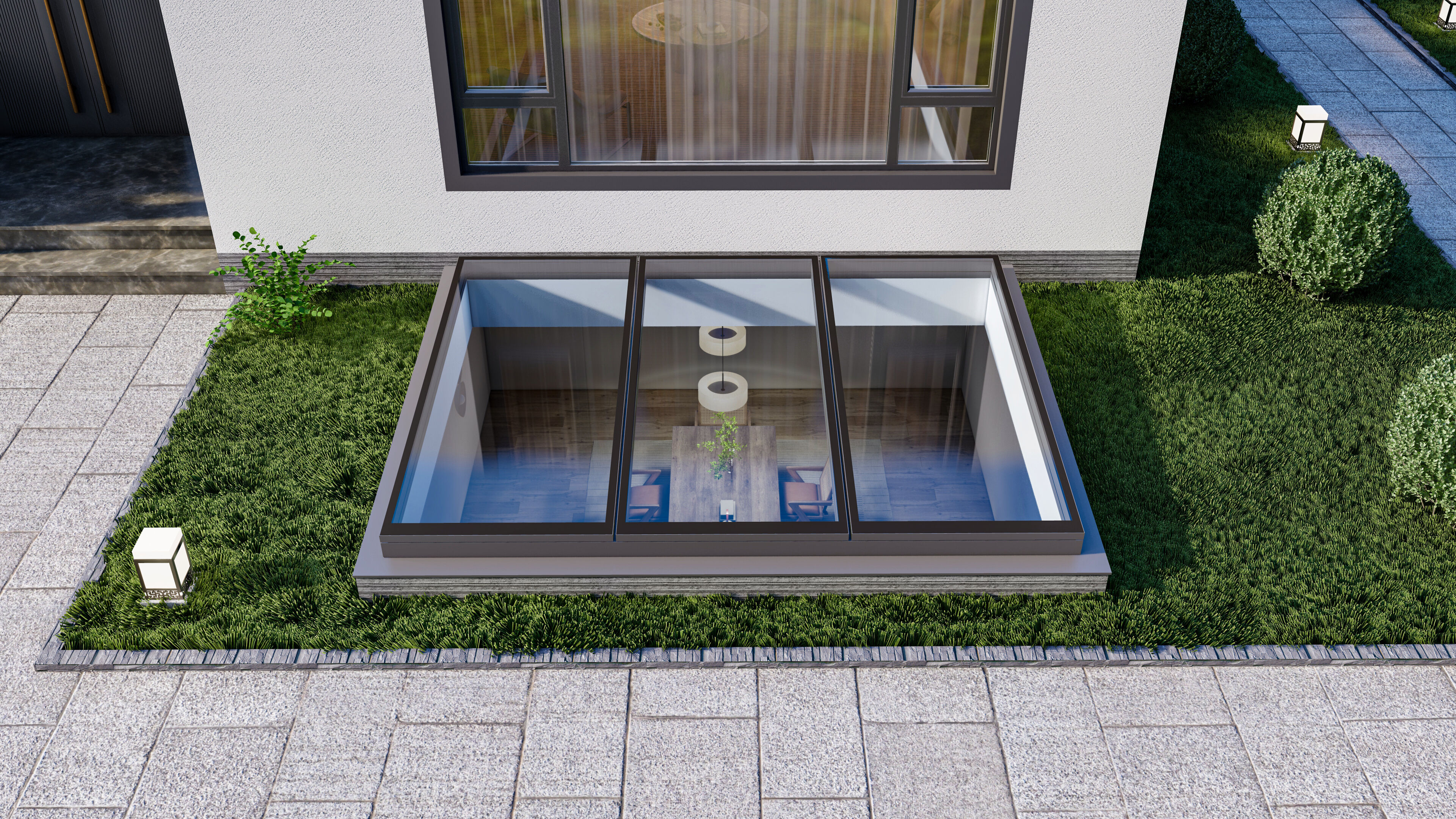
Focused on both the common and unique needs of various building rooftops, it leverages a universal installation structure design and flexible customization capabilities for functions and sizes. It can not only meet standardized or personalized lighting layouts for rooftops in new construction projects but also adapt to various lighting renovations of existing building rooftops. Without large-scale rooftop reconstruction, it efficiently solves the pain point of "significant differences in lighting needs across different rooftop spaces". It is suitable for almost all scenarios requiring rooftop lighting (such as residential rooftops, commercial building rooftops, industrial plant rooftops, and public facility rooftops).
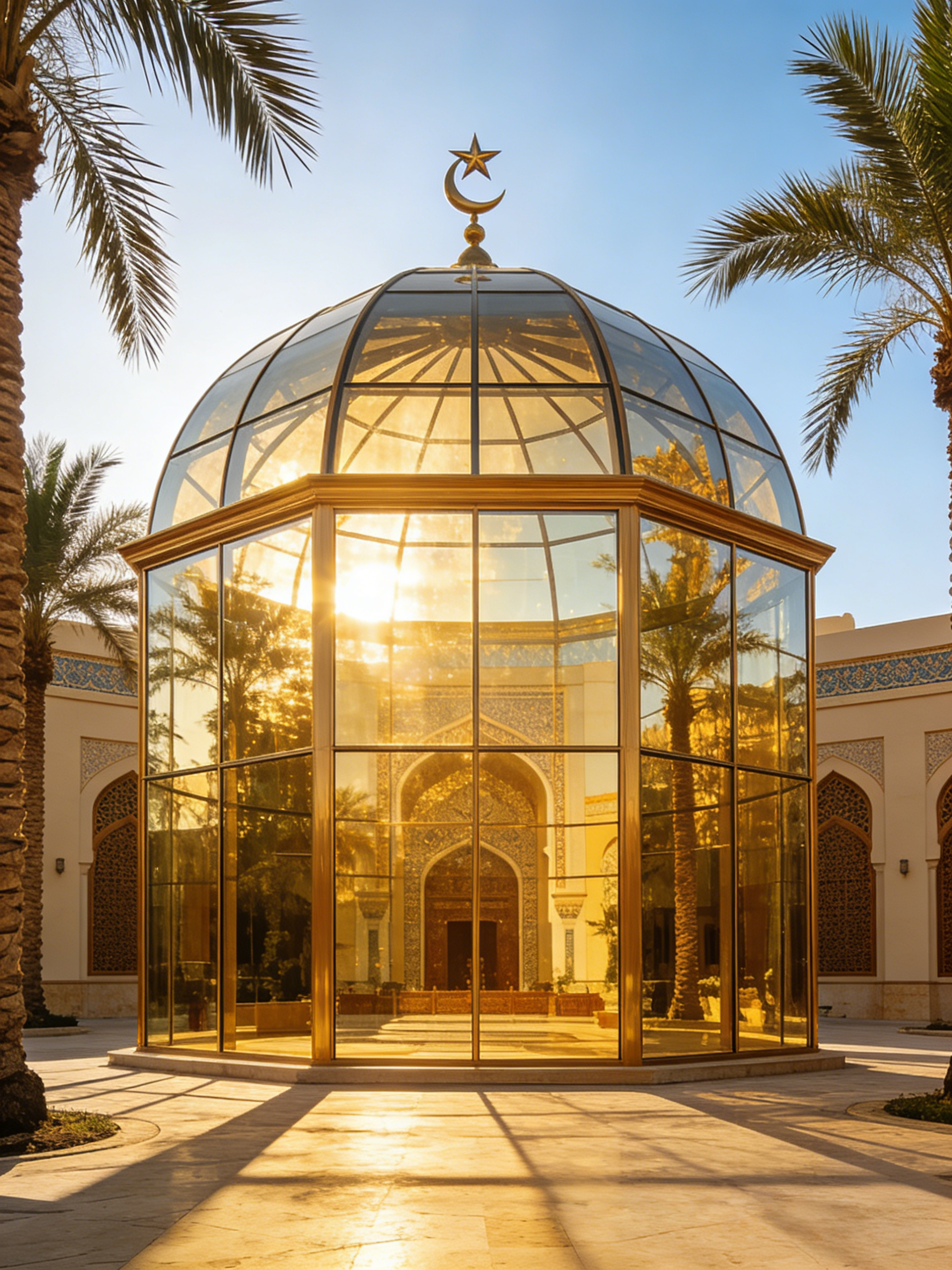
The design of Roof Skylights revolves around "universal adaptation + optional functions". The basic structure adopts a unified aluminum alloy frame system, paired with high-transmittance tempered glass or double-silver Low-E insulated glass panels. Functionally, you can choose between the "fixed model" (lighting only) or "electric model" (lighting + ventilation). Installation methods support flat rooftops, sloped rooftops (0°-35°), curved rooftops, and other structures. While based on a universal frame, its size can be fully adjusted according to actual rooftop needs—from small sizes for residential balcony rooftops to large sizes for commercial complex rooftops, all can be accurately adapted through single-skylight customization or multi-skylight combination.
Meanwhile, the product uses weather-resistant materials and standardized waterproof sealing technology. Whether it is the fixed or electric model, it can resist rain, strong winds, ultraviolet rays, and other weather conditions when exposed outdoors for a long time, maintaining stable lighting effects, functional performance, and structural safety. Whether it is a small residential rooftop, a medium-sized commercial rooftop, or a large industrial plant rooftop, you can find a suitable Roof Skylight solution through the combination of "function selection + size customization", efficiently introducing natural light and improving space comfort and user experience.
Product Advantages
1. Universal Rooftop Adaptation, No Limitations on Installation Scenarios
Roof Skylights take "adapting to all rooftop types" as their core value, solving the problem of lighting adaptation for different rooftop structures:
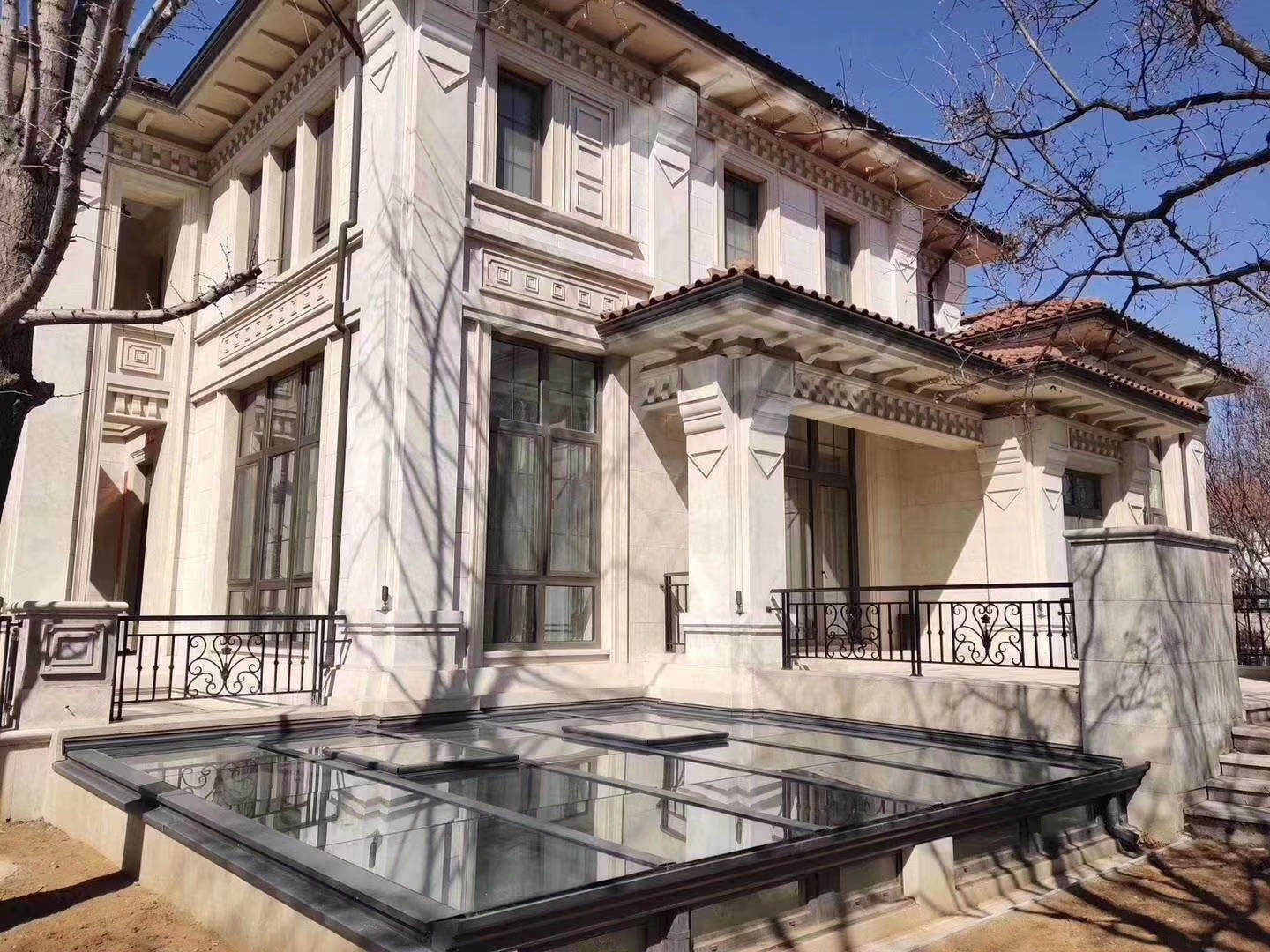
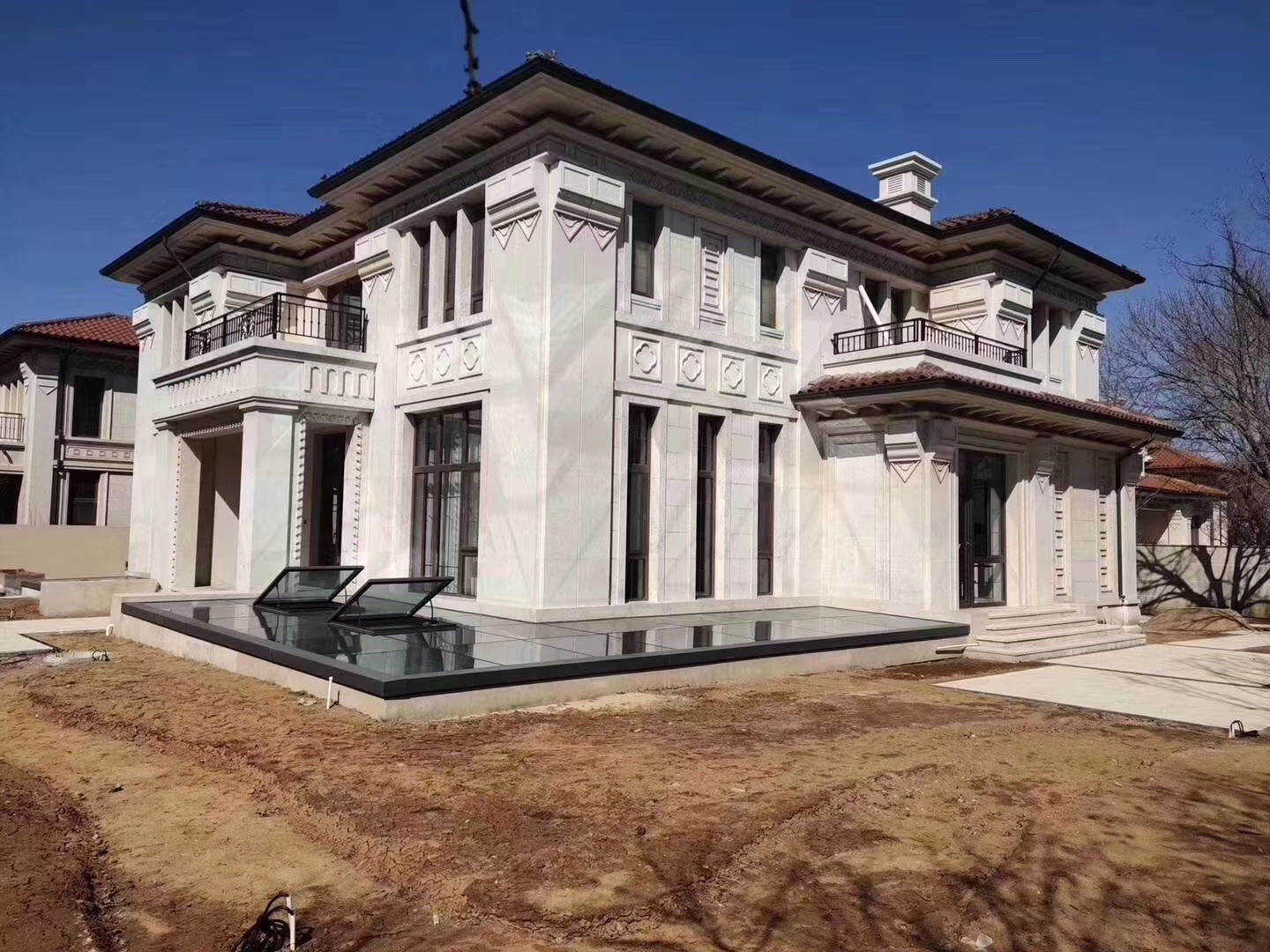
Compatibility with Multiple Rooftop Structures: Supports installation on flat rooftops (directly installed on the rooftop surface) and sloped rooftops (skylight installation angle adjusted according to rooftop slope, 0°-35° adjustable). No large-scale rooftop reconstruction is required—only corresponding installation brackets and sealing solutions need to be selected based on the rooftop structure.
Universal for New and Existing Buildings: For new construction projects, opening sizes matching the skylights can be reserved in advance for direct standardized installation; for existing building renovations, skylights can be customized according to the size of existing rooftop openings, or new openings can be cut in areas without openings (only small-scale cutting required, no damage to the main rooftop structure), ensuring strong adaptability.
2. Flexible Function Selection to Meet Diverse Needs
Roof Skylights offer two functional types—"fixed model" and "electric model", which can be flexibly selected based on scenario needs:
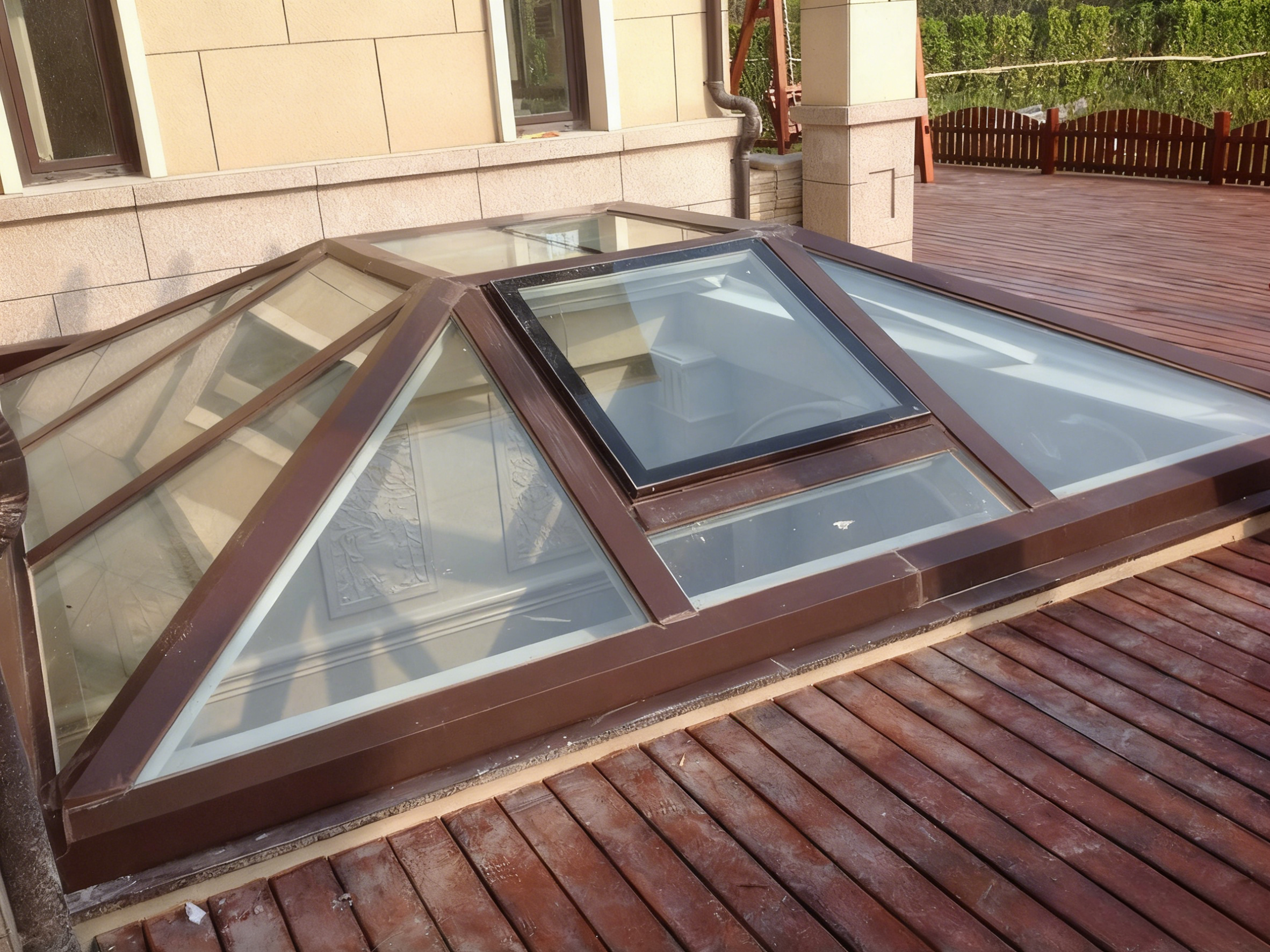
Fixed Model (Lighting Only): No opening/closing components, featuring a simple structure and lower cost. Suitable for scenarios that only require basic lighting and no frequent ventilation (such as residential corridor rooftops, commercial exhibition halls, and non-production areas of plants). It has no risk of mechanical failure during long-term use and low maintenance costs.
Electric Model (Lighting + Ventilation): Built with a silent electric drive system and intelligent control module (supporting remote control, APP, or scheduled opening/closing). Suitable for scenarios that require both lighting and ventilation (such as residential attics, commercial atriums, and production areas of plants). It can flexibly adjust indoor air circulation and solve the dual needs of "lighting + ventilation".
3. Comprehensive Size Customization to Adapt to Diverse Spaces
One of the core advantages of Roof Skylights is that their sizes can be fully customized to meet the space and lighting needs of different rooftops:
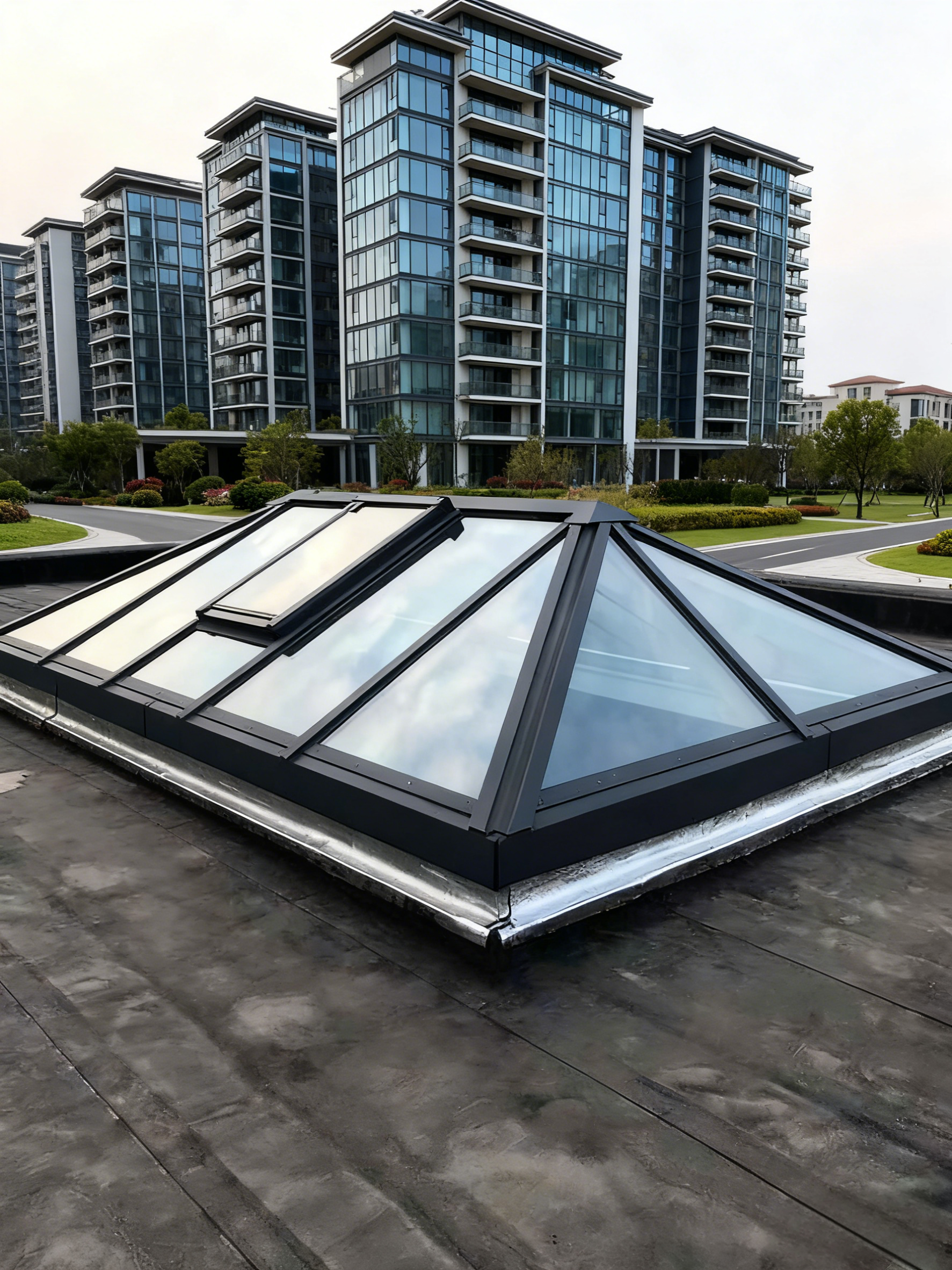
The length and width can be customized arbitrarily according to the size of rooftop openings, lighting requirements, or architectural design style, ensuring a perfect fit with the rooftop space.
Flexible Multi-Skylight Combination: Supports splicing of multiple skylights into "lighting strips", "lighting grids", or "special-shaped lighting areas". Seamless splicing is achieved through standardized connection components to cover large-area rooftops and meet the overall lighting needs of super-large spaces.
4. Unified Structure System for Efficient and Durable Installation
Relying on a unified aluminum alloy frame system and prefabricated components, Roof Skylights excel in installation efficiency and structural stability:
Rapid Standardized Installation: Whether it is the fixed or electric model, the main frame and glass components are prefabricated in the factory. On-site operations only require bracket fixing (for fixed models) or bracket installation + electrical wiring (for electric models) based on the function type—no complex processing is needed, greatly shortening the construction period.
Stable and Weather-Resistant Structure: Adopts a high-strength 6060-T66 aluminum alloy frame, with the surface treated by electrostatic powder coating. It is UV-resistant and corrosion-resistant, and not easy to fade or deform during long-term use.
5. Optimized Energy Saving and Sealing to Balance Performance and Cost
Roof Skylights adopt a unified high-standard design in energy saving and sealing, balancing user experience and long-term costs:
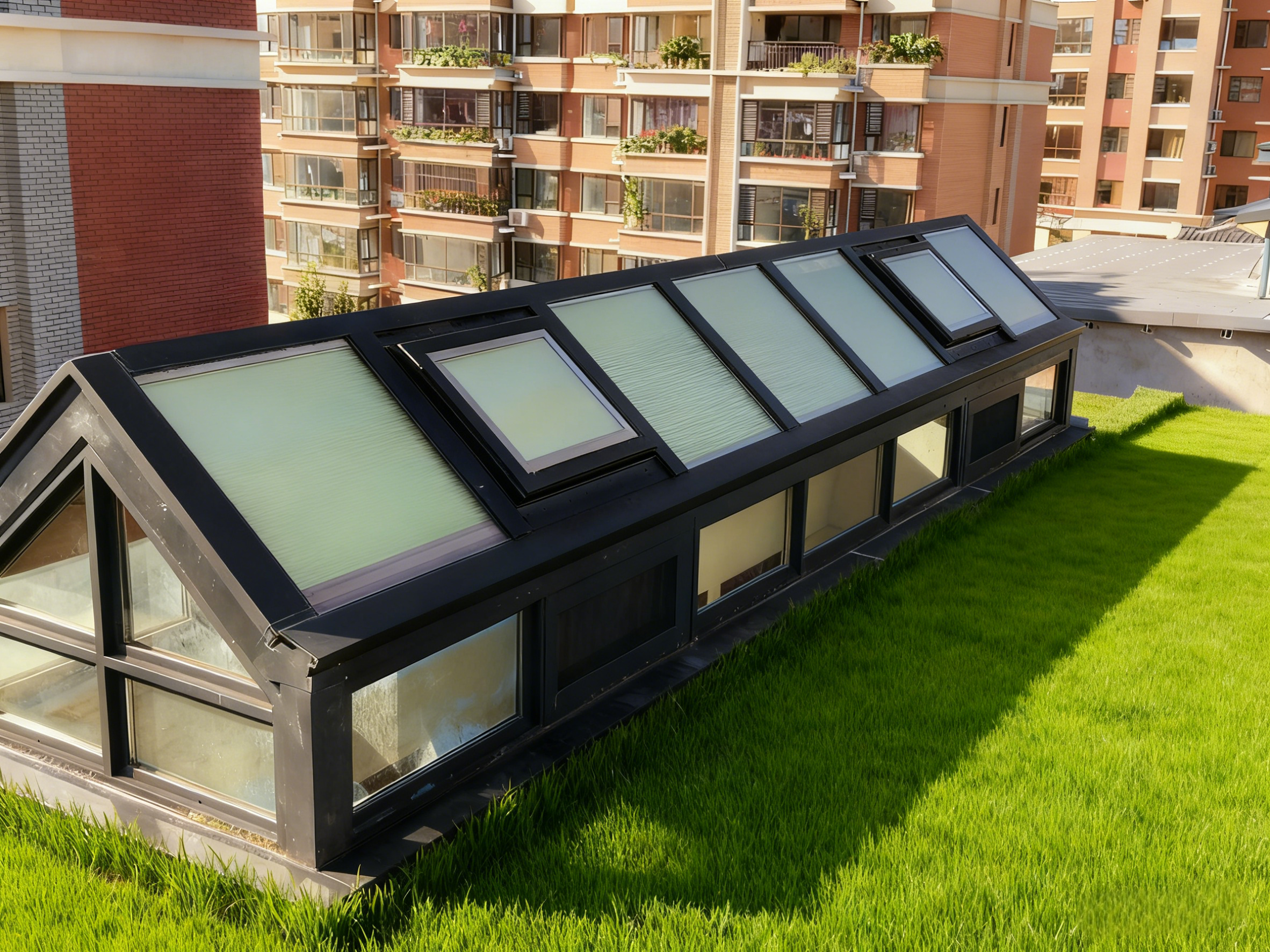
Efficient Energy-Saving Lighting: All models come standard with high-transmittance tempered glass, and double-silver Low-E insulated glass is optional. It reduces heat input in summer and heat loss in winter, helping to lower air conditioning and heating energy consumption; at the same time, it reduces reliance on artificial lighting, enabling significant electricity cost savings during long-term use.
Unified Waterproof Standard: Whether it is the fixed or electric model, all adopt a "multi-layer sealing + water guiding and drainage" design—EPDM rubber gaskets are used between the window frame and glass, and waterproof rolls and sealants are used at the junction of the window frame and rooftop. This effectively prevents rainwater leakage and avoids moisture damage to the rooftop structure.
6. Adaptation to All Scenarios with an Extremely Wide Application Range
With the combined advantages of "universal adaptation + optional functions + size customization", Roof Skylights can adapt to almost all scenarios requiring rooftop lighting:
Residential Scenarios:
Entire Rooftop Area: Select models based on the function of the rooftop area—electric models for attics (lighting + ventilation), fixed models for corridors (basic lighting), and custom-sized models for balcony rooftops (fitting the balcony area). This meets the lighting needs of different residential areas.
Villa Rooftops: Match the sloped or curved structure of villa rooftops to customize special-shaped or combined skylights. While enhancing the aesthetic appearance of the villa, it introduces sufficient natural light into the interior.
Commercial Scenarios:
Commercial Complex Rooftops: Combine large electric models with fixed models—electric models for atriums (lighting + ventilation) and fixed models for store areas (basic lighting). This balances function and cost and improves the quality of commercial spaces.
Hotel/Guesthouse Rooftops: Customize skylights matching the design style of the rooftop. Small fixed models are used for guest room rooftops to improve room brightness, and electric models are used for public lounge rooftops to enhance air circulation, improving the customer stay experience.
Industrial/Public Scenarios:
Industrial Plant Rooftops: Combine large-area fixed models into "lighting strips", with a small number of electric models used for ventilation and heat dissipation. This meets the lighting needs of production areas while reducing industrial energy consumption.
Public Facility Rooftops: Install small fixed skylights on the rooftops of school stadium stands, park public toilets, etc. They introduce natural light to reduce the lighting energy consumption of public facilities and improve usage comfort.