

How to create a winter garden at home?
Have you ever wanted to have a peaceful sanctuary filled with plants where you could also escape to during the cold winter months? Now, you can with a home winter garden. It is more than just a collection of window plants. It is an extension of your living space that captures sunlight and creates a serene getaway. The secret for a beautiful and functional winter garden is its foundation: a well-built, modern sunroom. This type of sunroom focuses on minimalism, lots of sunlight, and seamless integration with your home’s architecture. It creates the perfect environment for your plants to thrive while giving you an additional stylish room to enjoy.
The Craft a Winter Garden Space is a journey that combines the art of horticulture with smart design and quality craftsmanship. This journey involves the understanding of light, the choice of materials for structure and glazing, and the control of microclimate systems to protect plants from frost. By collaborating with a specialist in architectural daylighting, you gain innovative technologies and customized solutions to elevate a simple garden design to a long lasting, energy-efficient and beautiful living space. Now let’s look a t the first of many key steps to creating your winter garden.
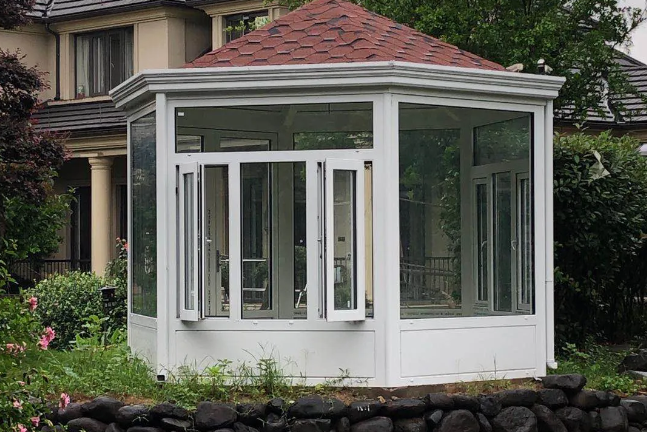
Your Vision: Modern Minimalist Sunroom
The first step is identifying the aesthetic and functional core of your space. For a winter garden, a Modern Minimalist sunroom is the perfect choice. This design style is one of clarity, simplicity and an emphasis on the essentials. Think of large expanses of glass, framed by sleek, thin profiles, to create an airy look and a free visual connection to the outside. The structure should be light with an intentional design that gives visual prioritization to the plants in the garden and the artwork of the sky.
This philosophy extends to the other aspects of the customs interior as well. The aim is to offer a calming backdrop created by the minimalistic approach. This leaves room to access the beauty of the plants. Choosing a limited palette of the putty, pale wood, and the various grays will highlight the color of the foliage. The furniture should serve a purpose but also show a design with clean functional forms. The aim is to look like a room that is integrated and sophisticated. not just a place where a greenhouse is put The aim is to make a room that provides calm for contemplation and is alive with plant life.
The magic of a year-round winter garden happens within its carefully engineered shell. This is where quality and expertise are non-negotiable. The entire structure—the frame, the glass, the roof, and the integration points with your existing home—must be designed for safety, durability, and thermal performance.
The framework for your winter garden is the skeleton; leading manufacturers use strong thermally broken aluminum systems with the strength to allow for expansive glass sections with minimal visible framings, crucial for the clean and minimalist look customers desire. More importantly, the “thermal brake” refers to a barrier within the frame that reduces heat transfer to keep the interior warm in the winter and cool in the summer. This is crucial for the survival and energy efficiency of the indoor plants. Integrating unique, patent craftsmanship, such as precision jointing techniques inspired by traditional woodworking, forms the beauty of the structure as well as its stability and complete weather tightness.
The glazing is the heart of the structure. In the case of a winter garden, what you need is high performance glazing. This means double or even triple glazing with inert gas fills (like argon) and low-emissivity (Low E) coatings. The insulating glass acts as an invisible barrier to trap heat in the garden and also reflect heat back in, protecting the plants with UV filtration while providing the full spectrum of light necessary for photosynthesis. With the right glass, your sunspace becomes an efficient collector of solar energy providing natural heat for the entire space.
Fostering Optimal Conditions for Growth
After setting up your Modern Minimalist sunroom, your next consideration is engineering the interior climate. A winter garden is a rich, dynamic ecosystem that requires the right balance of heat, light, and humidity.
Temperature control is important. In colder climates, supplemental heating is often necessary. Underfloor heating is an ideal solution. It creates warmth without the air drafts that can harm plants. Windows should not be relied on for ventilation, especially in winter. Integrated, automated roof vents and side vents allow hot air to escape and pull in cooler air. This is a passive ventilation system. It is is often controlled thermostatically to avoid overheating on sunny days and to keep humidity levels in the safe zone for mold and plant disease.
Light management is just as important. Although the intention is to encourage team members to feel positive and happy when using natural light, there may come times when light, such as in the winter, when the days are shorter, and light may need to be diffused or supplemented. If you want to decrease the harshness of the sun at midday, you could install some attractive, adjustable louvers or a light-retractable shade on the ceiling. In winter, you can install a garden LED light. These can be installed and still be out of sight. This type of light provides the additional light spectrum that your plants need to stay healthy and vibrant, so your garden can flourish all winter long.
Choosing Your Green Oasis
This is the most gratifying part. Picking your plants and arranging them, of course! Thanks to your climate-controlled Modern Minimalist sunroom, you are able to grow a bigger variety of plants than what outdoors is able to provide. Start by creating layers. Put some taller trees or large statement plants, such as a Fiddle Leaf Fig or Citrus tree, in the corners or as focal points. In the middle level, place some mid-height plants such as palms, ferns, or olive trees. For the bottom level, use some trailing plants such as ivy or philodendron which can be draped on some shelves or suspended in hanging planters to add a soft and deep look to the space.
Choose plants suited to the light levels in different parts of your sunroom. Sun-loving succulents, cacti, and herbs will thrive closest to the glass. Medium-light plants like peace lilies and monsteras can be placed slightly further in. scented plants such as jasmin and gardenia, and add herbs for fragrance. Pair your plants with minimalist ceramic pots and containers in neutral colors, terracotta, or metal to match the clean aesthetic of the room.
The Importance of Professional Partnership
Building a winter garden is a big project, and having a professional can guide the pathway to success. From the first sketch to the last bolt, having a professional can ensure your most inner thoughts can be put to your project. A true partner offers a spectrum of services ranging from a thorough consultation to determine your needs and lifestlye, melding architecture and nature to accommodate your desires.
They provide expertise in load calculations, thermal engineering, and waterproofing. These are intricate details, almost invisible in the end product, yet crucial for longevity and performance. Their global service network and project management offer seamless and professional installation, making the construction phase worry-free. Selecting a partner committed to pioneering daylighting solutions is choosing to invest in more than a product. It is a commitment to a streamlined experience, turning your aspiration for a brighter, more sustainable home into a reality.
Conclusion: Your Year-Round Retreat Awaits
Investing in a home winter garden centered around a Modern Minimalist sunroom, is an exemplification of invested beauty and well-being, with an experience of deeper nature connection. It is the fusion of the calm of a garden, with the modern architectural and engineering precision. By focusing on a clean, light-filled design, and investing in a high-performance structural shell, managing the interior climate, and curating your plant life the focus is much more than just a room.
You design a personal oasis— a space that boosts your mood, defies the seasons, and becomes the most sacred part of your home. It’s a space where you can breathe deeply and be surrounded by life and light, regardless of the weather outside. With thoughtful preparation, the oasis of your dreams is a reality.